Island Peak Climbing With Everest Base Camp Trek
3 Jul 2022
One of the most renowned trekking peaks in the Everest region is Island Peak Everest base camp Trek. The Western Side of Island Peak, which rises from...
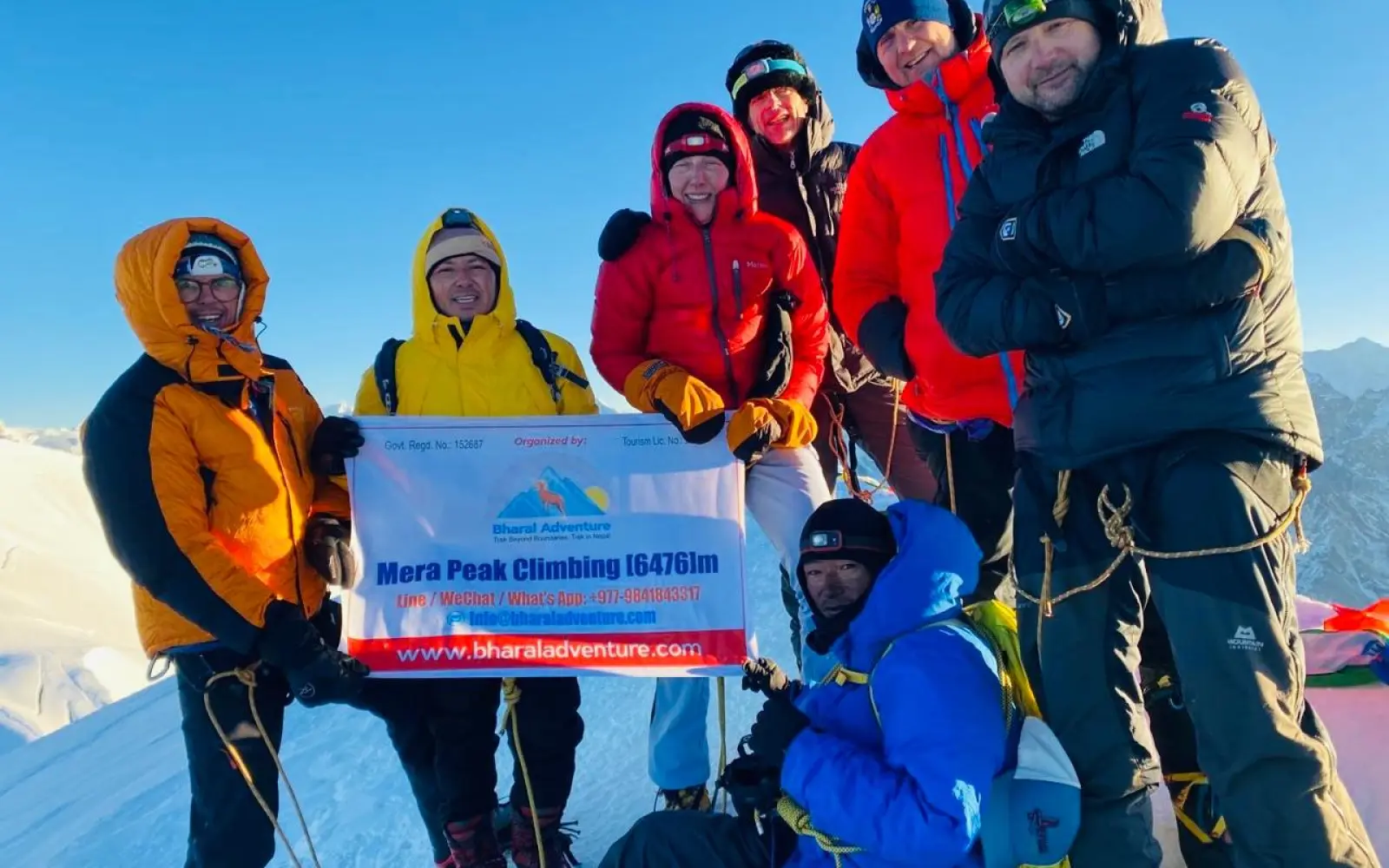
Nepal, home to eight of the world’s fourteen highest peaks, offers a thrilling opportunity for adventurers to climb some of the most beautiful trekking peaks in the Himalayas. Peak climbing in Nepal is a unique combination of trekking through scenic landscapes and summiting accessible peaks, typically below 7,000 meters. These peaks provide an ideal challenge for those who wish to go beyond regular trekking and step into the world of mountaineering. With years of experience, Bharal Adventure Trek is dedicated to guiding climbers safely and successfully to the summits of these awe-inspiring mountains.
Our expert climbing guides, support staff, and carefully crafted itineraries ensure that every climber experiences both the thrill and safety of the climb. Whether you're aiming for the popular Island Peak or the technically exciting Mera Peak, our team provides all logistical support, permits, equipment arrangements, and mountain guidance. Climbing with Bharal Adventure Trek means Exploring on a journey led by professionals who are passionate about the Himalayas and dedicated to your success.
The Government of Nepal, through the Nepal Mountaineering Association (NMA), issues permits for a range of trekking peaks. As of 2025, permit fees for peak climbing in Nepal remain structured based on the season and peak category. The cost generally includes a climbing permit, National Park entry fees, and local municipality fees. For instance, the NMA divides peaks into Group A and Group B, with different pricing levels. Group A includes more technical and challenging peaks like Chulu West, while Group B includes more accessible ones like Island Peak and Mera Peak.
Here is a brief overview of NMA permit fees for 2025 (per person):
Group A Peaks:
Group B Peaks:
In addition to NMA fees, climbers must also pay for local permits, such as the Khumbu Pasang Lhamu Rural Municipality fee (for Everest region climbs), which is around NPR 2,000–3,000, and national park entry fees (around USD 30–40). Bharal Adventure Trek manages the entire permit process on your behalf, ensuring you are compliant with all legal requirements while focusing on your climb. All costs are transparently included in our package prices, so you face no surprises on the trail.
Nepal, home to eight of the world's fourteen highest peaks, offers an unparalleled playground for peak climbing enthusiasts. From iconic summits like Island Peak and Mera Peak to more remote adventures such as Chulu East or Pisang Peak, the Himalayas provide climbers of all experience levels with breathtaking challenges and unforgettable landscapes. Peak climbing in Nepal typically refers to climbing mountains that are classified as “trekking peaks” by the Nepal Mountaineering Association (NMA), usually ranging between 5,500 to 6,500 meters. These are non-technical to semi-technical climbs, but still require a good level of physical fitness, some mountaineering skills, and proper acclimatization.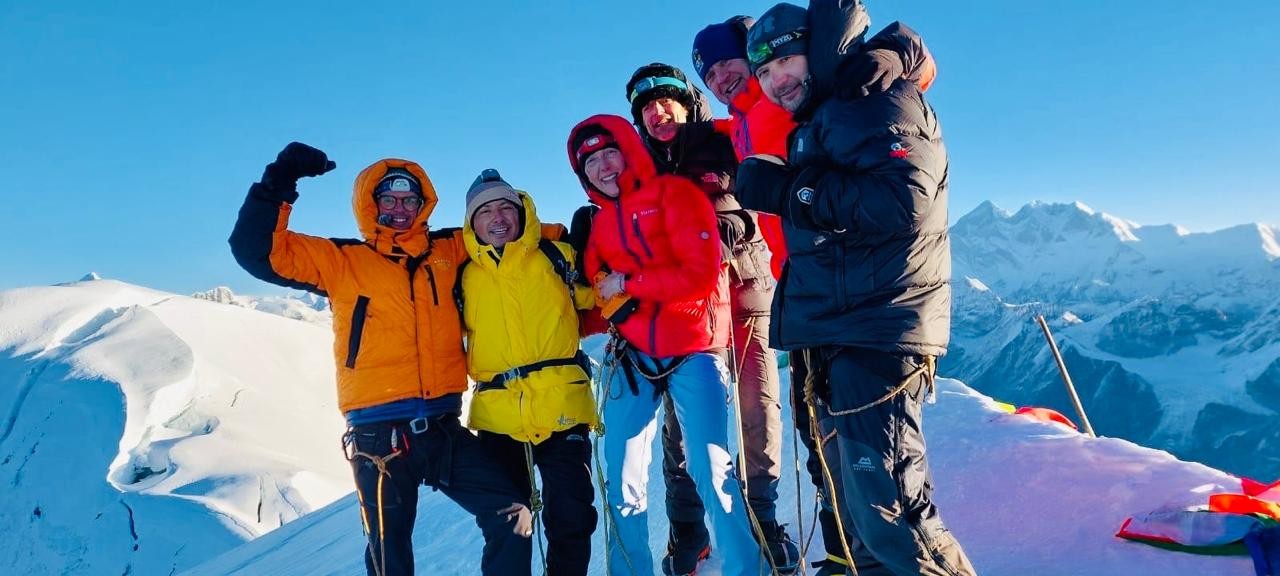 In 2025, Bharal Adventure Trek continues to be a trusted and experienced partner for peak climbing adventures across Nepal. With a reputation built on safety, professionalism, and personalized service, Bharal Adventure Trek provides licensed guides, permits, equipment logistics, and comprehensive support for both novice and seasoned climbers. Whether you’re attempting your first Himalayan summit or adding a new achievement to your climbing résumé, the team ensures that your journey is both thrilling and secure. From permit acquisition to high-altitude support, Bharal Adventure Trek offers end-to-end assistance, making it easier than ever to explore on a peak climbing expedition in Nepal’s rugged and awe-inspiring terrain.
What is Peak Climbing in Nepal?
Peak climbing in Nepal refers to the ascent of mountains classified as “trekking peaks” by the Nepal Mountaineering Association (NMA). These peaks, ranging from 5,500 meters to 6,654 meters in elevation, are perfect for those who want to experience high-altitude mountaineering without the extreme difficulty of climbing the world’s tallest mountains. While they are less technical than major expeditions like Everest, these peaks still require proper climbing equipment and techniques, such as the use of ropes, harnesses, and ice axes.
Climbers can choose from over 30 designated trekking peaks in Nepal, including favorites like Island Peak, Mera Peak, Lobuche East, and Pisang Peak. Most climbs can be completed within a 2–3-week expedition, which includes trekking to the base camp, acclimatization days, and the summit push. The experience blends the physical challenge of climbing with the cultural richness of trekking through Sherpa villages and remote mountain regions.
How is Peak Climbing Different from Trekking in Nepal?
While trekking in Nepal involves walking along established trails through scenic landscapes and villages, peak climbing takes the adventure a step further by involving mountaineering techniques and equipment. Trekking typically does not require technical gear or prior climbing experience, whereas peak climbing demands the use of climbing tools like crampons, ropes, and harnesses. Additionally, peak climbing requires acclimatization and often includes glacier travel or climbing on snow and ice.
Another major difference lies in the need for permits and trained guides. Trekking requires general permits such as the TIMS card and National Park Entry permits, but peak climbing requires a special climbing permit issued by the NMA or Department of Tourism, and climbers must be accompanied by licensed guides. Bharal Adventure Trek provides both the trekking and mountaineering expertise to help you transition smoothly from trekker to climber with full safety and success.
What Are the Best Peaks for Climbing in Nepal?
Nepal offers a diverse selection of trekking peaks that are perfect for both beginner and experienced climbers. The best peaks often combine accessibility, scenic beauty, and the right level of technical challenge. Popular options include Island Peak (Imja Tse), Mera Peak, Lobuche East, Pisang Peak, and Yala Peak. These mountains typically range from 5,500 meters to 6,500 meters and are ideal for those who want to experience true Himalayan climbing without the extensive logistics of an 8,000-meter expedition.
At Bharal Adventure Trek, we help you choose the best peak based on your fitness level, climbing background, and available time. For those looking for a non-technical climb with incredible views, Mera Peak is ideal. If you want a more alpine experience with moderate technical sections, Island Peak or Lobuche East are excellent choices. Each peak has its own unique allure, from panoramic Himalayan views to cultural immersion in Sherpa villages. Our team ensures a personalized climbing plan that suits your ambition and safety.
What is the Difference Between Trekking Peaks and Expedition Peaks?
In Nepal, trekking peaks are generally under 7,000 meters and are governed by the Nepal Mountaineering Association (NMA). These peaks are often referred to as “climbable trekking peaks” and are accessible to amateur climbers with basic mountaineering skills. Trekking peaks require a special permit from the NMA and usually involve short expeditions of 2–3 weeks. They are ideal for those looking to experience high-altitude climbing without the extreme risks and costs of major expeditions.
On the other hand, expedition peaks are higher and more technically challenging mountains, often exceeding 7,000 meters, such as Mount Everest, Lhotse, and Dhaulagiri. These climbs are regulated by the Department of Tourism and require extensive logistics, larger climbing teams, and significant mountaineering experience. Expedition peaks involve longer durations, higher costs, and complex risk factors. Bharal Adventure Trek specializes in both types, but for most climbers new to the Himalayas, trekking peaks are the perfect starting point.
How Difficult is Peak Climbing in Nepal?
The difficulty of peak climbing in Nepal varies depending on the peak, weather conditions, and the climber’s physical and technical preparedness. Peaks like Yala Peak and Pisang Peak are considered relatively easy and suitable for first-time climbers with basic alpine skills. In contrast, Lobuche East and Island Peak present more technical challenges such as glacier travel, crevasse crossings, and steep ascents using fixed ropes.
Climbers should be prepared for strenuous trekking at high altitudes, cold weather, and long summit days. While you don’t need to be a professional mountaineer, a good level of fitness, some prior trekking experience, and basic climbing instruction can go a long way. Bharal Adventure Trek provides pre-climb briefings, training, and acclimatization support to help you successfully and safely complete your peak climbing journey.
Do I Need Prior Climbing Experience for Peak Climbing in Nepal?
No prior climbing experience is strictly necessary for many of the easier trekking peaks, although it is highly recommended. Peaks such as Mera Peak and Yala Peak are excellent for beginners, as they do not involve advanced technical climbing. However, understanding the use of basic mountaineering equipment like crampons, ice axes, and ropes will enhance your experience and safety.
For more technical peaks such as Island Peak or Lobuche East, some previous experience with high-altitude trekking and basic climbing is beneficial. At Bharal Adventure Trek, we provide pre-climb training, safety briefings, and hands-on support to ensure you are comfortable with the required gear and techniques. Our professional climbing guides are always available to assist and instruct throughout the expedition.
What Are the Top 5 Most Popular Peaks to Climb in Nepal?
Nepal offers many exciting peaks, but the five most popular ones for trekking climbers are:
These peaks attract climbers from all over the world. Bharal Adventure Trek has extensive experience in guiding successful expeditions to each of these summits.
What is the Success Rate for Peak Climbing in Nepal?
The success rate for peak climbing in Nepal depends largely on the peak, weather conditions, and the preparedness of the climber. For popular peaks like Island Peak and Mera Peak, the success rate ranges between 70% to 85% when climbing with experienced guides. Climbers who are physically fit, properly acclimatized, and well-equipped have a much higher chance of reaching the summit.
With Bharal Adventure Trek, our success rate is consistently high due to our careful planning, experienced staff, and thorough acclimatization schedules. We provide personalized guidance and maintain small group sizes to ensure individual attention and safety. Weather monitoring and flexible itineraries also contribute to our high summit success across Nepal’s trekking peaks.
How High Are the Most Climbed Trekking Peaks in Nepal?
Most of the frequently climbed trekking peaks in Nepal range between 5,500 meters and 6,500 meters in elevation. Mera Peak, the highest trekking peak, stands at 6,476 meters, while Island Peak reaches 6,189 meters. These altitudes are high enough to require acclimatization and preparation but are still accessible compared to the major expedition peaks like Everest (8,848.86 meters).
While these elevations may not require oxygen supplementation, climbers often experience altitude-related symptoms. That’s why Bharal Adventure Trek emphasizes proper acclimatization and health monitoring throughout the journey. Our itineraries are carefully designed to give climbers the best possible chance of summiting while minimizing risk.
How Long Does a Peak Climbing Expedition Usually Take?
The duration of a peak climbing expedition in Nepal typically ranges from 14 to 21 days, depending on the peak and the trekking route. For example, a Mera Peak expedition usually takes about 18 to 20 days, while Island Peak, if combined with an Everest Base Camp trek, can take around 19 to 21 days. Shorter peaks like Yala Peak may be completed in 10 to 14 days.
These timelines include arrival in Kathmandu, trekking to the base camp, rest and acclimatization days, the summit push, and the return journey. Bharal Adventure Trek ensures enough time for acclimatization and flexible buffer days in case of weather delays, which is crucial for a safe and successful climb.
What is the Difference Between Guided and Independent Peak Climbing?
Guided peak climbing means that you climb with a professional team that includes certified guides, porters, and logistical support. This is the most common and recommended approach in Nepal. A guided expedition through Bharal Adventure Trek ensures that all permits, gear, transportation, and accommodations are handled, allowing you to focus entirely on the climb. Moreover, experienced guides enhance safety, provide route knowledge, and help with technical sections.
Independent climbing, although possible on some peaks, is often not permitted or is highly discouraged due to safety concerns. Most trekking peaks require climbers to hire at least a licensed climbing guide. Independent climbers face challenges in navigating unfamiliar terrain, managing emergencies, and obtaining permits. For this reason, Bharal Adventure Trek offers guided climbs with a personal approach, ensuring both security and a richer overall experience.
What Are the Main Peak Climbing Regions in Nepal?
Nepal is divided into several regions ideal for peak climbing, each with its own geographic and cultural appeal. The Everest region is the most popular, hosting peaks like Island Peak, Lobuche East, and Kwangde Ri. This area offers unmatched views of Everest and a deep dive into Sherpa culture. The Khumbu region also provides excellent infrastructure and access via Lukla.
The Annapurna region is home to peaks like Pisang Peak and Chulu East/West. This area features a mix of high mountain scenery and diverse ethnic communities. Another important region is Langtang, where Yala Peak and Naya Kanga are located. Langtang is ideal for those who want a quieter, off-the-beaten-path experience. With Bharal Adventure Trek, you can choose the region that best fits your interest, fitness level, and time frame, and we will handle all the details for a seamless adventure.
Nepal’s dramatic altitude variation and seasonal weather patterns mean that timing is crucial when planning a peak climbing expedition. The two best seasons for peak climbing in Nepal are spring (March to May) and autumn (September to November). During these periods, the weather is relatively stable, the skies are clear, and visibility is excellent—offering breathtaking mountain views and safe climbing conditions. Spring brings with it mild temperatures and blooming rhododendron forests, while autumn offers dry trails and crisp air, ideal for technical climbs and high-altitude trekking alike. These seasons are perfect for tackling popular peaks like Island Peak, Lobuche East, or Mera Peak.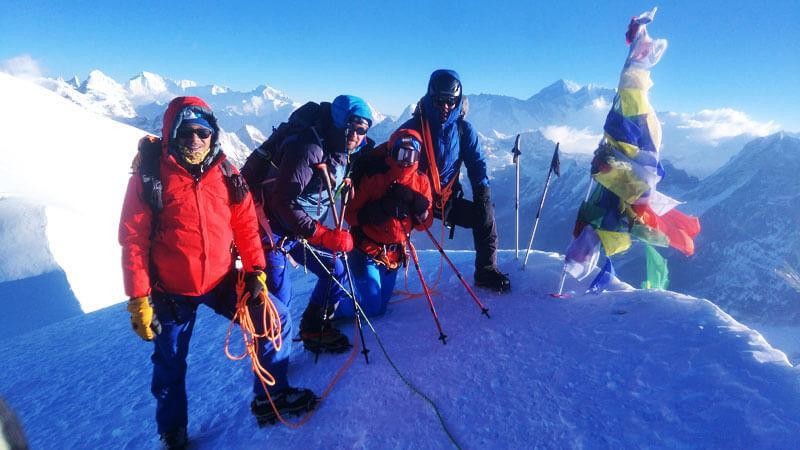 At Bharal Adventure Trek, we strongly recommend planning your expedition during these ideal windows for the best experience and safety. Our guides are well-versed in seasonal challenges and understand how to adjust itineraries and strategies based on real-time conditions. While winter and monsoon seasons are less favorable—due to heavy snowfall, increased avalanche risk, or slippery trails—our expert team can assess niche opportunities for experienced climbers who prefer off-season solitude. Whether you’re looking for a classic Himalayan climb or a less-traveled peak, our team ensures that your timing aligns with optimal weather conditions, maximizing your chances of a successful and memorable summit in 2025.
When Is the Best Time to Climb Peaks in Nepal?
Nepal has four distinct seasons, but the two best seasons for peak climbing are spring (March to May) and autumn (late September to early November). During these months, the weather tends to be stable, skies are generally clear, and mountain views are breathtaking. These conditions provide a safer and more enjoyable climbing experience, with better visibility and fewer weather-related delays.
At Bharal Adventure Trek, we recommend planning your expedition during these peak seasons to increase your chances of a successful summit. With pleasant daytime temperatures at lower altitudes and relatively mild conditions at base camps, both spring and autumn are ideal for acclimatization and trekking. Routes are also more accessible, and lodges along the trails are fully operational during these months.
What Are the Advantages of Climbing in the Spring Season?
The spring season (March to May) is widely considered the best time for peak climbing in Nepal. As the snow begins to melt and the weather stabilizes after the harsh winter, climbers are welcomed with favorable conditions. Days are longer, temperatures are warmer, and the skies are usually crystal clear, offering uninterrupted views of the Himalayas. Another major advantage is the bloom of rhododendron forests, especially in lower regions like the Annapurna and Langtang areas.
Spring is also ideal for technical climbs like Island Peak and Lobuche East, where stable snow and ice conditions can make the ascent smoother and safer. Bharal Adventure Trek organizes most of its peak climbing expeditions during this season due to the predictability of weather patterns and reduced risks of avalanches or storms. Our guides use this period to lead well-acclimatized, successful ascents with higher summit success rates.
What Are the Benefits of Climbing in the Autumn Season?
The autumn season (late September to early November) is the second most popular and arguably the most scenic time to climb peaks in Nepal. Following the monsoon, the skies clear up dramatically, offering exceptional visibility and spectacular mountain views. The air is crisp and fresh, with fewer dust particles, creating perfect photographic conditions and memorable summit experiences.
Another benefit of climbing in autumn is that trails and mountains are less snowy compared to spring, especially in the early autumn period. This makes the approach to base camps and high camps more manageable. With comfortable temperatures in the lower altitudes and cool, stable weather higher up, autumn offers an excellent balance of beauty and functionality. Bharal Adventure Trek ensures well-supported climbs during this period, taking advantage of the consistent weather windows to plan successful summit days.
Is It Possible to Climb Peaks in Nepal During Winter?
Climbing in Nepal during winter (December to February) is possible, but it presents significant challenges. The higher elevations are extremely cold, and snow accumulation can block trails or make climbing routes more dangerous. Temperatures at night often fall well below -20°C at base camp and much colder near the summit. However, for experienced climbers looking for solitude and willing to face the cold, winter climbs can be rewarding.
Bharal Adventure Trek only recommends winter ascents for seasoned climbers with experience in extreme weather conditions. Peaks like Yala Peak or Pisang Peak, which are less technical and at slightly lower elevations, may still be attempted with the right preparation and gear. We provide specialized equipment, additional acclimatization, and safety protocols to ensure winter climbs are approached responsibly and with minimal risk.
Can I Climb Peaks in Nepal During the Monsoon Season?
Climbing during the monsoon season (June to August) is not recommended due to heavy rainfall, poor visibility, and slippery trails. Landslides, leeches, and unpredictable weather make the approach treks and climbing routes risky and uncomfortable. In higher altitudes, persistent cloud cover can also cause dangerous whiteouts and limit summit visibility.
That said, some peaks in the rain-shadow regions, such as those in Upper Mustang or Dolpo, may still be climbable with proper planning. These areas receive significantly less rainfall compared to the rest of Nepal. Bharal Adventure Trek advises against monsoon climbs unless you're targeting one of these special regions. We offer alternative itineraries during monsoon for those who still want to trek or explore remote parts of Nepal.
How Does the Weather Affect Peak Climbing in Nepal?
Weather plays a critical role in the success and safety of peak climbing in Nepal. Sudden snowstorms, strong winds, and freezing temperatures can delay summit attempts or force teams to retreat. Unstable weather can also increase avalanche risk and make glacier travel treacherous. Because weather conditions at high altitude can change rapidly, it's crucial to build flexibility into the itinerary.
Bharal Adventure Trek places a strong emphasis on weather monitoring and risk management. We stay connected to real-time forecasts and maintain buffer days in all peak climbing itineraries to accommodate potential delays. Our experienced guides are trained to make quick decisions in response to changing weather and prioritize climber safety at every stage of the expedition.
What Is the Temperature Like at High Altitudes During Peak Climbing?
At high altitudes, especially above 5,000 meters, temperatures can vary dramatically between day and night. During spring and autumn, daytime temperatures at base camp range from -5°C to 10°C, while nighttime temperatures can drop to -10°C to -20°C. On summit day, it can be even colder, often reaching -25°C or lower, especially with wind chill.
Understanding how your body reacts to cold and high altitude is crucial. Bharal Adventure Trek ensures climbers are equipped with high-quality down jackets, sleeping bags, insulated boots, and proper layering systems. We also provide information on how to manage cold exposure, prevent frostbite, and maintain energy levels in extreme conditions.
What Are the Risks of Climbing in Off-Seasons?
Climbing in off-seasons, such as winter and monsoon, comes with elevated risks including harsh weather, avalanches, hypothermia, and route inaccessibility. Trails may be blocked by snow or washed out by landslides, and rescue operations become more challenging due to poor visibility or remote locations. The risk of AMS (Acute Mountain Sickness) also increases when weather delays affect acclimatization schedules.
At Bharal Adventure Trek, we do not encourage off-season climbs for beginners or those without prior high-altitude experience. If you are determined to attempt a climb during these periods, we will conduct a thorough risk assessment, adjust the itinerary, and deploy additional support to reduce exposure to potential dangers. Our goal is to strike the right balance between adventure and safety.
How Can I Prepare for Unpredictable Weather Conditions?
To prepare for unpredictable weather, climbers should focus on both physical preparation and gear readiness. This includes training for stamina, flexibility in scheduling, and understanding how to use mountaineering equipment in varied conditions. Weather can change suddenly at high altitudes, so it’s important to stay informed, travel with a guide, and have contingency plans in place.
Bharal Adventure Trek prepares all climbers with pre-departure briefings, a complete gear checklist, and training on how to layer clothing and respond to emergencies. Our experienced guides keep a constant watch on mountain forecasts and adjust plans accordingly. This proactive approach ensures our climbers are well-equipped to deal with sudden weather shifts without compromising safety.
How Does Climate Change Impact Peak Climbing in Nepal?
Climate change has started to visibly affect peak climbing in Nepal. Rising temperatures have led to glacier retreat, unpredictable weather patterns, and an increase in rockfalls and crevasse hazards. Traditional climbing seasons are also shifting, and snowlines are receding, altering the conditions on many popular peaks. For example, some peaks that were once snow-covered now have more exposed rock, making ascents trickier and more technical.
Bharal Adventure Trek is actively adapting to these changes by updating climbing strategies, improving environmental practices, and collaborating with local communities. We also focus on eco-friendly trekking and climbing ethics, promoting responsible tourism to minimize our footprint. Understanding the impact of climate change helps climbers prepare better and encourages a more sustainable approach to mountaineering in the Himalayas.
Proper preparation and training are essential components of any successful peak climbing expedition in Nepal. While many of Nepal’s trekking peaks are accessible to fit trekkers with basic mountaineering knowledge, climbers still need to be mentally and physically prepared for the demands of high-altitude environments. Training should begin at least 2–3 months in advance and focus on building cardiovascular endurance, leg strength, and stamina through hiking, running, cycling, or stair climbing. Just as important is carrying a loaded backpack during training hikes to simulate the physical strain of multi-day ascents. For those attempting more technical climbs like Lobuche East or Chulu West, gaining prior experience with crampons, ice axe use, rope techniques, and glacier travel is highly recommended.
At Bharal Adventure Trek, we offer more than just guided climbs—we help our clients prepare every step of the way. Our expert team can provide detailed training advice, gear checklists, and high-altitude acclimatization tips well before your arrival in Nepal. We also offer pre-climb orientation sessions in Kathmandu, where we go over route details, climbing techniques, and safety protocols. Our licensed guides and climbing Sherpas are skilled in coaching climbers on the mountain, ensuring you’re well-supported as you progress toward the summit. Whether you're a first-time peak climber or a seasoned adventurer, Bharal Adventure Trek ensures your preparation is solid, your confidence is high, and your summit goals are within reach.
How Should I Physically Prepare for Peak Climbing in Nepal?
Physical preparation is crucial for peak climbing in Nepal, as the high-altitude environment places significant stress on your body. You should begin your physical training at least 3–4 months before your planned climb. Focus on building endurance, strength, and stamina through a combination of cardio workouts (such as running, cycling, or swimming), weight training, and hill walking. This will help increase your overall fitness and make climbing at high altitudes easier.
In addition to cardiovascular training, leg strength is particularly important, as you’ll be trekking long distances and ascending steep slopes. Hiking with a weighted backpack on inclines, as well as stair climbing, can help prepare you for the uphill sections of the trail. Bharal Adventure Trek recommends incorporating long hikes with elevation gains in your training to simulate the demands of the trek. Flexibility and balance exercises will also help in managing the uneven terrain you will encounter on the trails.
What Type of Training is Required for Peak Climbing?
While physical fitness is important, training for peak climbing in Nepal requires both general physical conditioning and specific technical skills. Cardiovascular fitness and strength should be your top priorities, as well as specific training for high-altitude hiking. It's recommended to practice carrying a heavy pack during long-distance hikes, as it mimics the load you'll carry during your trek. Stair climbing or hill sprints are excellent ways to build leg strength.
For more technical climbs, you’ll need to learn the basics of mountaineering, such as how to use an ice axe, crampons, and ropes. Understanding how to cross glaciers, navigate crevasses, and use fixed ropes in steeper sections is essential. Bharal Adventure Trek offers optional training courses and provides guidance on how to use equipment properly. We recommend spending time in environments with snow or ice to get used to the conditions you will face in Nepal.
Do I Need Technical Climbing Skills for Nepal’s Trekking Peaks?
For most trekking peaks in Nepal, such as Mera Peak, Island Peak, or Pisang Peak, you do not need advanced technical climbing skills, but you do need some basic mountaineering knowledge. These peaks involve the use of crampons, ice axes, and fixed ropes in certain sections, but they are generally accessible to climbers with minimal technical experience if they are in good physical condition.
While these peaks are considered non-technical, some experience in using mountaineering tools and walking on glaciers is highly beneficial for safety. Bharal Adventure Trek offers pre-climb training for all climbers, focusing on techniques like self-arresting with an ice axe, using fixed ropes, and navigating glaciers. Our guides provide full instruction on these skills, so you will feel confident and prepared during your climb.
What Are the Essential Gear and Equipment for Peak Climbing?
When preparing for peak climbing in Nepal, you’ll need specialized gear to ensure your safety and comfort. Essential gear includes climbing boots, crampons, ice axes, harnesses, helmet, and ropes. Additionally, you will need warm clothing for cold temperatures, including down jackets, thermal layers, and gloves. Other important items include sleeping bags rated for extreme cold, a headlamp, a backpack, and a first aid kit.
At Bharal Adventure Trek, we provide a detailed packing list to ensure you have all the necessary equipment. We also offer assistance with acquiring some of the gear in Kathmandu. Having the right gear for peak climbing is crucial for a successful summit, and our team ensures you are fully equipped and prepared before your expedition.
Can I Rent Climbing Equipment in Nepal?
Yes, you can rent most of the essential climbing equipment in Kathmandu or Lukla. Shops around Thamel, Kathmandu, offer a wide range of climbing gear, from ice axes and crampons to climbing boots and harnesses. Renting gear can save you the hassle of carrying heavy equipment from home, and the rental prices are generally affordable.
At Bharal Adventure Trek, we can assist with renting climbing gear and ensure that everything you need is in excellent condition. Although renting can be convenient, it’s always better to bring your personal sleeping bag, clothing, and high-altitude equipment, as they are essential for comfort and safety. We help ensure that you have everything required for a successful climb while minimizing the burden of carrying extra equipment.
What Kind of Clothing Should I Pack for Peak Climbing?
Packing the right clothing for peak climbing is essential to manage the cold temperatures, wind, and varying altitudes in Nepal. Layering is the key—bring base layers (such as moisture-wicking shirts and thermal leggings), mid-layers (such as fleece or down jackets), and outer layers (waterproof and windproof jackets). It’s also crucial to have insulated gloves, wool socks, and a warm hat to protect against frostbite in extreme conditions.
For the high-altitude portion of the climb, you will need high-altitude boots for snow and ice, crampon-compatible boots, and gaiters to keep snow out of your boots. Bharal Adventure Trek provides a detailed clothing list, ensuring you’re prepared for all weather conditions. Proper clothing is crucial for both safety and comfort, especially at high altitudes where temperatures can dip below freezing even in the spring and autumn.
How Do I Prevent Altitude Sickness While Climbing?
Altitude sickness (AMS) occurs when you ascend too quickly without giving your body enough time to acclimatize. Symptoms include headaches, dizziness, and nausea. To prevent AMS, it’s crucial to ascend gradually, taking rest days at higher altitudes to allow your body to adjust. Hydration is key—drink plenty of fluids, eat well, and avoid alcohol or sleeping pills that can affect your oxygen levels.
Bharal Adventure Trek places a strong emphasis on acclimatization during your climb. We build in enough rest days and gradual ascents to ensure proper acclimatization. Our guides monitor climbers closely for AMS symptoms and are trained in handling altitude-related emergencies. By following our carefully planned itineraries and listening to your body, the risks of AMS are significantly reduced.
What Medications Should I Carry for High-Altitude Climbing?
For high-altitude climbing, it’s essential to carry medications that can help manage altitude sickness and other potential health issues. Commonly recommended medications include Diamox (Acetazolamide) to speed up acclimatization, Ibuprofen for pain relief, Paracetamol for headaches, and Doxycycline for preventing altitude-related infections. It's also wise to bring antihistamines, anti-diarrheal medications, and basic first aid supplies.
At Bharal Adventure Trek, we provide a full medical kit that includes common medications and remedies for altitude sickness and other issues. However, we recommend that climbers also bring personal medications for any pre-existing conditions. Our guides are well-versed in handling altitude sickness and other medical emergencies, ensuring that your health and safety are always a top priority.
How Do I Increase My Endurance for High-Altitude Climbing?
Increasing your endurance for high-altitude climbing involves both physical training and understanding how to manage your energy at high altitudes. Focus on long-distance cardio, such as running, hiking, or cycling, to build stamina. Additionally, hill sprints and carrying weight while walking can simulate the physical demands of climbing with a heavy pack.
At higher altitudes, your body has to work harder due to reduced oxygen levels, so it’s important to pace yourself and take regular breaks to conserve energy. Bharal Adventure Trek’s structured itineraries ensure that you have sufficient time for acclimatization and can climb at a sustainable pace. We also provide guidance on how to increase your efficiency in movement during the climb and manage your energy levels during challenging sections.
Are There Any Recommended Climbing Schools or Courses Before Attempting a Peak?
If you are new to mountaineering, taking a climbing course is a great way to learn essential skills before attempting a peak in Nepal. There are several mountaineering schools in Nepal that offer basic and intermediate climbing courses. The Himalayan Mountaineering Institute in Darjeeling, the Nepal Mountaineering Association, and Trekking Agencies Association of Nepal (TAAN) offer training programs that focus on skills like ice climbing, crevasse rescue, and rope techniques.
Bharal Adventure Trek can help arrange such courses for you, either before your trek or as part of a training program to ensure you are adequately prepared. Our team will also provide pre-climb workshops and safety briefings to give you the basic technical skills needed to tackle trekking peaks.
What Is the Role of Sherpas in Nepal Peak Climbing?
Sherpas are an integral part of peak climbing in Nepal. They are skilled mountaineers with exceptional knowledge of the Himalayan terrain, high-altitude conditions, and traditional climbing techniques. Sherpas assist with carrying gear, establishing base camps, and ensuring the safety of climbers by guiding them through technical sections and difficult terrain. They are also experts in acclimatization and help prevent altitude sickness.
At Bharal Adventure Trek, we work closely with experienced Sherpas who provide invaluable support throughout the climb. They ensure climbers are properly acclimatized and assist with technical climbing challenges. Our Sherpas are not only guides but also trusted companions who make the summit experience safer and more enjoyable.
Can I Climb a Peak in Nepal Without Any Mountaineering Training?
Yes, it is possible to climb certain trekking peaks in Nepal without advanced mountaineering training, provided you are in good physical shape and have basic trekking experience. Peaks like Mera Peak and Yala Peak can be climbed by beginners who are willing to take part in a well-prepared expedition with a guide. However, you will need to have some familiarity with basic climbing tools such as crampons, ice axes, and ropes.
At Bharal Adventure Trek, we offer training and support to ensure that you feel confident using these tools. We also provide thorough pre-climb briefings and technical training on safety techniques. With our experienced guides and support system, you can successfully summit a trekking peak, even without prior climbing experience, as long as you're physically prepared.
In Nepal, climbing peaks, even trekking peaks, requires obtaining official permits. These permits are issued by the Nepal Mountaineering Association (NMA) for designated trekking peaks, or the Department of Tourism for other expeditions, ensuring that climbers adhere to safety regulations and environmental guidelines. Each peak requires its own specific permit, and these permits can range in cost depending on the altitude, location, and peak popularity. For example, popular peaks like Mera Peak and Island Peak have relatively straightforward permit requirements, while less-visited peaks may involve additional documentation. As part of the regulatory framework, it is essential for climbers to be accompanied by a licensed guide or Sherpa, especially for peaks above certain altitudes.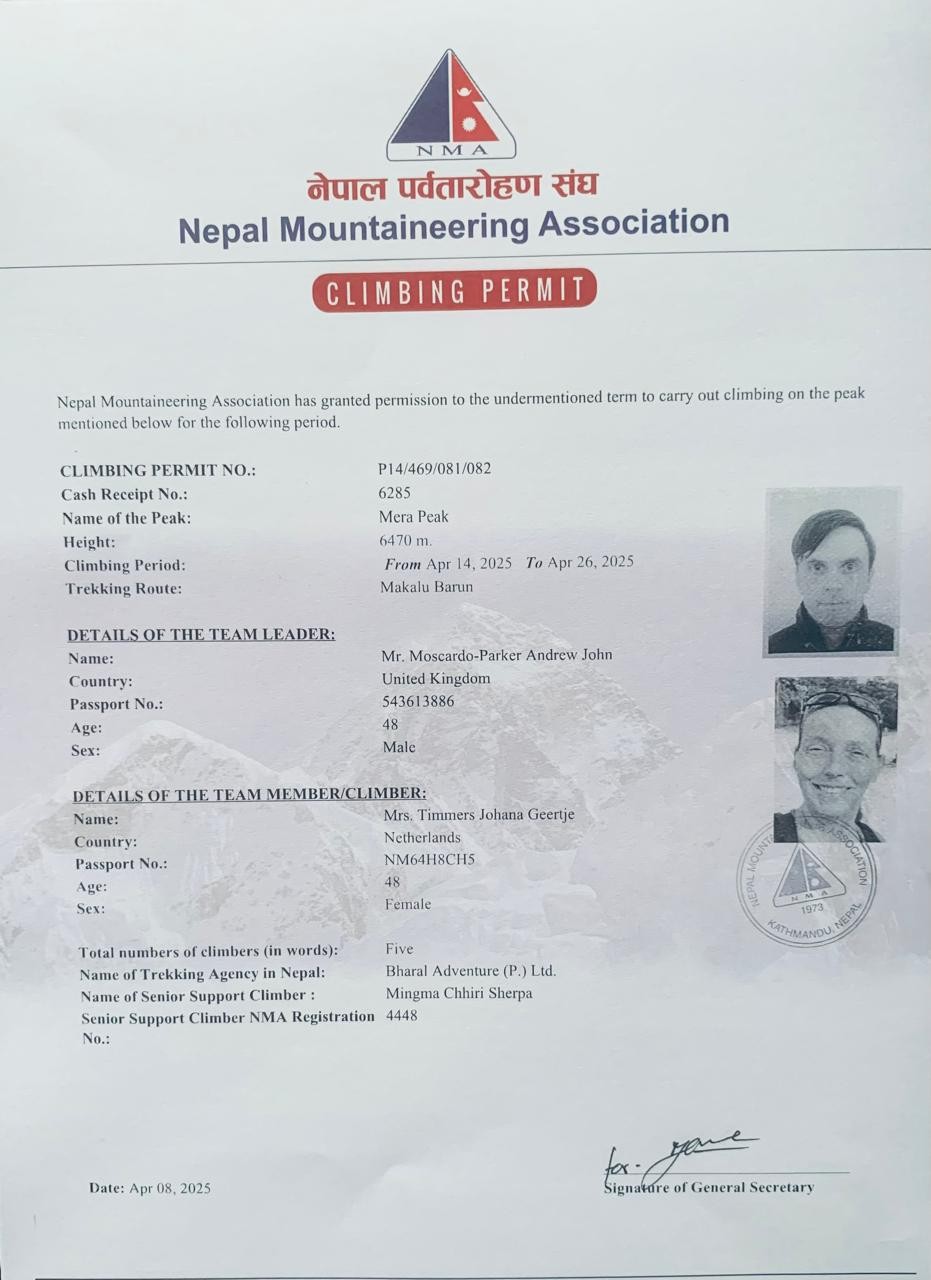 At Bharal Adventure Trek, we handle all aspects of permit acquisition, ensuring you meet the legal requirements without any hassle. Our experienced team takes care of the necessary paperwork, from securing the climbing permits to providing you with clear information on local regulations. This includes briefing climbers on environmental guidelines, such as the Keep Nepal Clean campaign, which mandates waste disposal protocols for high-altitude climbs. We also ensure that all of our climbing guides and staff are fully licensed and trained, and that they follow safety and operational standards set by the Nepali authorities. By choosing Bharal Adventure Trek, you can rest assured that your expedition will adhere to all official regulations while minimizing any bureaucratic stress.
Types of Permits and Regulations:
The most common permits required for peak climbing are the NMA Trekking Peak Permit and the National Park Entry Permit. The NMA Trekking Peak Permit is required for most of the smaller peaks under 7,000 meters, such as Island Peak (Imja Tse) and Mera Peak. The cost of these permits can vary depending on the season, with the spring and autumn months being the most popular for climbs. In addition to the trekking peak permit, a TIMS Card (Trekking Information Management System) is also required for all trekkers. Bharal Adventure Trek ensures that all of these permits are applied for well in advance, ensuring no delays during your expedition.
Cost and Seasonality of Peak Permits:
The cost of NMA permits for different peaks varies based on the mountain, the season, and the altitude. For instance, a peak like Mera Peak (6,470m) typically costs USD 250 for the spring and autumn seasons, and less during winter and summer months. Each peak's cost fluctuates based on the season, with spring and autumn being more expensive due to higher demand. The winter and summer months are often less busy, leading to reduced fees. At Bharal Adventure Trek, we provide clear breakdowns of these fees to help you plan your budget accordingly. The seasonal variations are taken into account, ensuring that you are aware of the costs before making your decision.
Here is the listing of peak climbing permits for 2025
Chulu East (6584m) - Damodar Range
Chulu West (6419m) - Damodar Range
Ghanja-la Chuli (Naya Kanga) (5863m) - Langtang Himal
Hiun Chuli (6434m) - Annapurna Range
Imja Tse (Island Peak) (6165m) - Khumbu Himal
Khongma Tse (Mehra Peak) (5849m) - Khumbu Himal
Kusum Kanguru (6360m) - Khumbu Himal
Kwangde (6086m) - Rolwaling Himal
Lobuje East (6119m) - Khumbu Himal
Mera Peak (6470m) - Khumbu Himal
Mt. ABI (6043m) - Mahalangur
Mt. Bokta (6114m) - Kanchenjunga
Mt. Chekigo (6121m) - Gaurishankar
Mt. Chola Tse (6440m) - Khumbu
Mt. Kyazo Ri (6186m) - Mahalangur
Mt. Langsisa Ri (6412m) - Jugal
Mt. Larkya Peak (6416m) - Manaslu
Mt. Lobuje West (6135m) - Khumbu Himal
Mt. Nirekha (6159m) - Mahalangur
Mt. Ombigaichen (6340m) - Mahalangur
Mt. Phari Lapcha (6017m) - Mahalangur
Mt. Yubra Himal (6048m) - Langtang Himal
Paldor Peak (5903m) - Ganesh Himal
Pharchamo (6279m) - Rolwaling Himal
Pisang Peak (6091m) - Damodar
Ramdong Go (5900m) - Rolwaling Himal
Singu Chuli (Fluted Peak) (6501m) - Annapurna Himal
Cost Breakdown by Season:
Bharal Adventure Trek Services:
Bharal Adventure Trek provides not only the permits for the climbs but also offers expert trekking guides, porter services, and logistical support. Their services include safe accommodation, high-quality gear, and expert advice tailored to the individual needs of climbers. Whether you are attempting a beginner-friendly peak like Mera Peak or aiming for something more challenging like Chulu East, Bharal Adventure Trek ensures the best safety standards and an unforgettable adventure experience.
What Permits Do I Need for Peak Climbing in Nepal?
When planning a peak climbing expedition in Nepal, the necessary permits depend on the height of the peak and the region you plan to climb. For trekking peaks (up to 6,000 meters), climbers need a permit from the Nepal Mountaineering Association (NMA). For expedition peaks (above 6,500 meters), you need a permit from the Department of Tourism (DoT). The permits ensure that you are authorized to climb the designated peak and help maintain the safety standards and environmental conservation of the area.
At Bharal Adventure Trek, we assist climbers in obtaining all required permits for their peak climbing adventure, making the process easier and more efficient. Whether you're planning a climb on a trekking peak like Mera Peak or Island Peak, or a more challenging expedition like Ama Dablam, we guide you through every step of the permit application process, ensuring compliance with Nepalese regulations.
Where Can I Obtain Peak Climbing Permits in Nepal?
Peak climbing permits in Nepal can be obtained at the Nepal Mountaineering Association (NMA) office in Kathmandu for trekking peaks, or directly through the Department of Tourism (DoT) for higher-altitude expedition peaks. Additionally, most trekking agencies, such as Bharal Adventure Trek, can help you with the application process, ensuring that all permits are in order before your expedition begins.
While it is possible to obtain permits independently, many climbers prefer to go through an agency like Bharal Adventure Trek because we handle all necessary paperwork and logistics. This allows you to focus on training, packing, and preparation for your climb, knowing that your permits are in place and the process is seamless.
How Much Does a Peak Climbing Permit Cost?
The cost of a peak climbing permit in Nepal depends on the peak's elevation and the season in which you climb. For trekking peaks in the 6,000-meter range, such as Island Peak, Mera Peak, and Lobuche East, the permit costs vary:
For expedition peaks above 6,500 meters, such as Ama Dablam, Himlung, and Mount Everest, the permit fees are more expensive. For example:
At Bharal Adventure Trek, we provide clear, up-to-date information on permit costs and help you navigate the process, ensuring that all fees are paid correctly and on time. We also ensure you are aware of any additional costs associated with peak climbing, such as expedition support, guides, and porters.
What Is the Difference Between NMA and Department of Tourism Permits?
The main difference between the NMA permit and the Department of Tourism (DoT) permit is the height of the peak you plan to climb. The NMA issues permits for trekking peaks under 6,000 meters, which are generally accessible to novice climbers. These peaks, such as Island Peak and Mera Peak, are popular among trekkers who want to experience a bit of mountaineering.
The DoT is responsible for issuing permits for expedition peaks above 6,500 meters, which are typically more technical and require advanced mountaineering skills. Peaks like Ama Dablam, Himlung, and Mount Everest fall into this category. At Bharal Adventure Trek, we guide you through the appropriate process for obtaining the correct permits based on your selected peak, ensuring that you meet all legal requirements for your climb.
Do I Need a TIMS Card for Peak Climbing?
The TIMS card (Trekkers' Information Management System) is generally required for trekkers in most regions of Nepal to help with tracking and safety. However, for peak climbing, you do not need a TIMS card if you are obtaining a peak climbing permit from the Nepal Mountaineering Association (NMA). This is because peak climbing permits include a tracking system that overlaps with the TIMS card.
However, if you are trekking through regions where the NMA does not cover, such as some remote trekking areas, you may still be required to have a TIMS card. Bharal Adventure Trek helps ensure that all necessary permits, including TIMS cards if needed, are arranged for your journey.
Can I Get a Permit as a Solo Climber?
In Nepal, solo climbers are allowed to obtain peak climbing permits, but there are certain stipulations. For trekking peaks under 6,000 meters, solo climbers can obtain permits without requiring a guide. However, it is strongly recommended to hire a licensed guide, especially for higher peaks or technical climbs, for safety and logistical support.
At Bharal Adventure Trek, we recommend hiring a licensed guide, as this ensures you have local expertise, knowledge of the terrain, and safety measures in place. A guide can also help you navigate challenging weather conditions and make the experience smoother and safer.
Do I Need a Licensed Guide for Peak Climbing?
For trekking peaks below 6,000 meters, the law does not require a licensed guide, but it is highly recommended for safety reasons. For expedition peaks above 6,500 meters, a licensed guide is required, as these climbs involve technical challenges and higher risks due to altitude, weather, and terrain.
Bharal Adventure Trek provides experienced and certified guides who have extensive knowledge of the routes, safety protocols, and local conditions. Our guides play an essential role in managing the logistics of the climb and ensuring climbers' safety and success on the peak.
What Are the Group Size Requirements for Peak Climbing?
For trekking peaks in Nepal, there are no strict group size requirements; climbers can attempt these peaks in small or large groups. However, for expedition peaks, such as Mount Everest or Ama Dablam, group size requirements may vary depending on the permit and the climbing regulations for the specific peak.
Bharal Adventure Trek caters to both individual climbers and groups of all sizes. We customize expeditions to fit your preferences, whether you're climbing solo or as part of a larger team. We can arrange for appropriate support, including guides, porters, and logistical assistance, regardless of your group size.
How Long Does It Take to Get a Climbing Permit in Nepal?
Obtaining a peak climbing permit in Nepal generally takes 3 to 5 working days. The process involves submitting the necessary documentation and payment to the NMA or DoT. If you are going through an agency, like Bharal Adventure Trek, we will take care of the entire permit process for you, making sure everything is ready before your climb.
It is always advisable to apply for your permits as early as possible to avoid delays. We ensure that all paperwork is completed promptly, allowing you to focus on preparing for your adventure rather than worrying about logistics.
Can I Apply for Peak Climbing Permits Online?
Currently, most permits for trekking peaks and expedition peaks must be obtained in person at the NMA or DoT offices in Kathmandu. While online applications are not widely available, Bharal Adventure Trek can handle the entire permit application process on your behalf, ensuring everything is in place before your climb.
We can also assist with expedited services if you have a tight timeline, ensuring that your permits are processed quickly and efficiently.
Can I Change or Cancel My Climbing Permit?
Once a peak climbing permit is issued, it is non-transferable and non-refundable in most cases. However, Bharal Adventure Trek can help you navigate changes in the itinerary, including adjusting your climbing dates or changing your peak, provided you have sufficient time and follow the official process. It’s important to check with our team for specific rules related to cancellations or modifications.
To minimize the risk of needing to change your permit, we strongly advise confirming all details of your trip (such as dates and peak choice) in advance.
Are There Any Age Restrictions for Peak Climbing?
The minimum age for peak climbing in Nepal is generally 16 years old, while the maximum age varies depending on physical fitness and the complexity of the climb. For higher, more technical peaks, climbers may be required to meet additional health and fitness criteria.
Bharal Adventure Trek helps climbers of all ages prepare for their expeditions. We also provide personalized assessments for those who may have specific age-related concerns, ensuring they meet all the physical and technical requirements for safe climbing.
Do Different Regions Require Different Permits?
Yes, different regions of Nepal may require additional permits, such as the Sagarmatha National Park permit for Everest region treks, or the Annapurna Conservation Area Project (ACAP) permit for Annapurna region treks. These permits are generally required in addition to your peak climbing permit, depending on the region of Nepal you are traveling to.
At Bharal Adventure Trek, we handle all regional permits for you, ensuring that you are fully compliant with local regulations and can focus entirely on your climbing adventure.
What Happens if I Climb Without a Permit?
Climbing in Nepal without the proper permits is illegal and can result in fines, deportation, or being banned from future climbs. Additionally, it can create significant safety risks, as unregistered climbers may not receive necessary assistance in case of an emergency.
At Bharal Adventure Trek, we ensure that all permits are in place before your expedition begins, protecting you from potential legal issues and ensuring your safety during the climb.
The cost of a peak climbing expedition in Nepal can vary greatly depending on factors such as the chosen peak, duration of the climb, group size, and level of service required. On average, the permit fees for trekking peaks range from USD 250 to 600 for popular peaks like Island Peak, Mera Peak, or Lobuche East, with the exact cost depending on the altitude and accessibility of the peak. In addition to permits, climbers should also budget for expenses such as guide and porter fees, accommodation, meals, transportation, and gear rental if necessary. A typical 15- to 20-day peak climbing expedition with a licensed guide and full logistical support from Bharal Adventure Trek can cost between USD 2,000 to 4,000 per person, depending on the specific services requested, accommodation standards, and additional activities such as trekking or sightseeing in Kathmandu.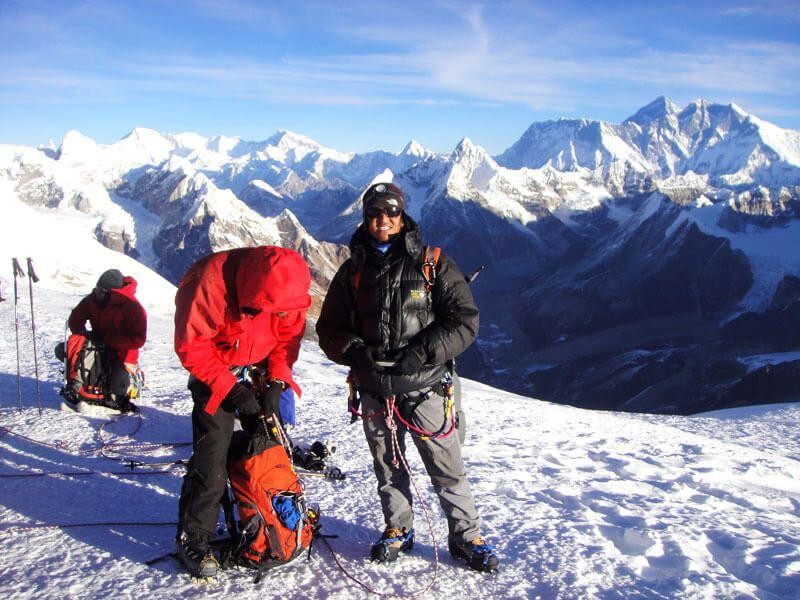 At Bharal Adventure Trek, we work closely with clients to create customized budgets that align with their preferences and goals. Our team will assist you in understanding every aspect of your expedition cost, including travel insurance, which is a mandatory requirement for peak climbing in Nepal. We ensure transparency in pricing, offering clear details on what's included—such as guides, Sherpas, permits, equipment, and logistical support—and what's not. Additionally, we offer flexible packages to cater to different budgets and preferences. Whether you're looking for a more basic trek or a luxury experience, Bharal Adventure Trek helps climbers make informed decisions, offering the best value without compromising safety or quality, ensuring that your journey is memorable, smooth, and within your financial expectations.
How Much Does Peak Climbing in Nepal Cost?
The total cost of a peak climbing expedition in Nepal can vary widely depending on the peak chosen, the region, the duration of the climb, and the level of support required. For trekking peaks such as Mera Peak or Island Peak, climbers can expect a cost range of USD 1,500 to USD 3,000, which covers permits, equipment, guides, porters, and other logistical expenses. For expedition peaks, such as Ama Dablam or Mount Everest, the costs can rise significantly, with prices starting at around USD 4,000 and going up to USD 15,000 or more, depending on the specific mountain and the support needed for the climb.
At Bharal Adventure Trek, we provide customized peak climbing packages to match your budget and preferences. We ensure transparent pricing, with no hidden charges, so climbers can plan their finances accordingly. Our team will guide you through every cost element of your expedition, including permits, guides, gear, food, and emergency evacuation, to give you a clear picture of the overall cost.
What Factors Influence the Cost of Peak Climbing?
Several factors influence the cost of peak climbing in Nepal. Peak difficulty and altitude are major considerations; higher and more technical peaks generally require more advanced equipment, experienced guides, and extra logistical support, which increase the overall cost. Seasonality also plays a role—spring and autumn are the most popular times for climbing, with higher demand leading to increased prices for permits and support services during these seasons. In contrast, winter and summer climbs are typically cheaper due to lower demand.
Other factors include group size (larger groups can benefit from reduced per-person rates), duration of the climb (longer expeditions involve more days of support), and the region being visited, as some regions require additional permits. Bharal Adventure Trek ensures that climbers are informed of all cost-related factors, and we offer flexible packages to suit various budgets and climbing preferences.
Are There Any Hidden Fees in Peak Climbing Packages?
At Bharal Adventure Trek, we pride ourselves on offering transparent pricing with no hidden fees. All costs are clearly explained upfront, including permits, gear rentals, guide and porter fees, accommodation, and food. However, it’s important to note that certain expenses may not be included in base climbing packages, such as personal gear, travel insurance, and emergency evacuation services.
Additionally, climbers should be aware that certain services might incur additional costs, such as extra nights in base camp or extra meals due to unforeseen weather delays or other circumstances. We recommend planning a bit of extra budget for unexpected expenses, which ensures you're prepared for any situation.
How Much Should I Budget for Gear and Equipment?
The cost of climbing gear and equipment varies based on whether you choose to rent or purchase. For basic trekking peaks, climbers will need standard trekking gear like boots, jackets, gloves, and layers, which can cost anywhere from USD 300 to USD 800 depending on the quality of the equipment. For more advanced climbing expeditions, technical gear such as ice axes, crampons, ropes, harnesses, and helmet may be necessary, which can increase costs to USD 1,000 or more.
At Bharal Adventure Trek, we offer a gear rental service for climbers who prefer not to invest in buying expensive equipment. Renting gear can significantly reduce your costs, with prices for items like sleeping bags, tents, and climbing tools generally ranging from USD 10 to USD 50 per day. We provide high-quality, well-maintained gear, ensuring that you have everything you need for a safe and successful climb.
What Is the Cost of Hiring a Guide and Porter for Peak Climbing?
Hiring a licensed guide and a porter is a critical part of ensuring a successful and safe peak climbing experience in Nepal. Guide fees for trekking peaks range from USD 30 to USD 70 per day, depending on the region and the guide’s experience. For expedition peaks, the cost may be higher due to the technical expertise required, ranging from USD 80 to USD 150 per day.
Porter fees are typically lower, ranging from USD 20 to USD 30 per day. Porters help carry your personal belongings and equipment, significantly reducing the weight you need to carry. At Bharal Adventure Trek, we provide experienced guides and porters who are well-versed in local terrain, weather conditions, and safety protocols. We also offer customized services, allowing you to choose the level of support you need for your climb.
How Much Do Peak Climbing Permits Cost for Different Mountains?
The cost of peak climbing permits varies depending on the height of the peak and the season. For example, the cost of climbing a trekking peak such as Mera Peak or Island Peak typically ranges from USD 70 to USD 250 per person, depending on the season (spring, autumn, winter, or summer). For expedition peaks above 6,500 meters, such as Ama Dablam or Mount Everest, permit costs are considerably higher. For instance, Ama Dablam costs USD 400 in spring and USD 100 in winter, while Mount Everest permits can cost up to USD 11,000 for the South Route during peak seasons.
At Bharal Adventure Trek, we provide detailed information on permit costs for each mountain and ensure all necessary paperwork is handled efficiently, saving you time and effort in obtaining the correct permits.
Is It Cheaper to Join a Group Climb or Book a Private Expedition?
Joining a group climb is typically more cost-effective compared to booking a private expedition, as costs for permits, guides, porters, and logistics are shared among the group members. Group climbs can reduce per-person costs significantly, especially for trekking peaks and lower-altitude expeditions.
However, a private expedition offers more flexibility in terms of scheduling, pace, and personalized services. If you prefer a tailored experience or need specific support, a private climb might be the better option, but it will cost more. Bharal Adventure Trek offers both options, allowing you to choose the most suitable arrangement based on your budget and preferences.
What Is the Average Daily Cost of Food and Accommodation During a Climb?
The average daily cost of food and accommodation during a peak climbing expedition in Nepal typically ranges from USD 25 to USD 50 per day. In the lower altitudes, food and lodging are relatively affordable, with basic guesthouses and tea houses offering meals at around USD 5 to USD 10 per meal. As you ascend, the cost of food and accommodation increases, with higher-altitude lodges charging around USD 15 to USD 30 per night for a basic room and meals.
At Bharal Adventure Trek, we help manage accommodation and food logistics, ensuring that you receive healthy and nutritious meals throughout your expedition, as well as comfortable, safe lodging. We work with local tea houses and lodges that adhere to safety standards and provide an authentic climbing experience.
Are There Discounts for Student Climbers or Large Groups?
Some agencies, including Bharal Adventure Trek, offer discounts for student climbers or large groups. Discounts for students generally apply if you can provide a valid student ID, and they usually range between 5% to 15% off the total cost. Large groups of 6 or more people can also benefit from group discounts, with savings on both permits and guide fees.
If you're planning to climb as a part of a group or a student expedition, we recommend reaching out to Bharal Adventure Trek in advance to inquire about specific discount options and to ensure that your group’s climbing experience is well-organized and affordable.
Can I Climb a Peak in Nepal on a Budget?
Yes, it is possible to climb a peak in Nepal on a budget. Opting for lower-altitude trekking peaks like Island Peak or Mera Peak can keep costs relatively low. Additionally, you can reduce costs by joining a group climb, renting gear, and staying in budget-friendly accommodations.
At Bharal Adventure Trek, we understand that many climbers are on a budget, and we offer affordable packages without compromising safety or the quality of the climbing experience. We help you plan your expedition efficiently, ensuring that you make the most of your budget while still enjoying a successful climb.
What Is the Cost Difference Between Trekking Peaks and Expedition Peaks?
The cost difference between trekking peaks and expedition peaks is significant. Trekking peaks generally range from USD 1,500 to USD 4,000 for a standard expedition, depending on the level of service and the region. These climbs are usually less technical and can be completed by climbers with some mountaineering experience.
In contrast, expedition peaks like Ama Dablam, Himlung, or Mount Everest can cost anywhere from USD 4,000 to USD 15,000, depending on the peak’s height, technicality, and the level of support required. This cost includes higher permit fees, specialized equipment, and more experienced guides and support teams. Bharal Adventure Trek offers a variety of packages to suit both trekking and expedition climbers, catering to different budgets and skill levels.
What Payment Methods Are Accepted for Permits and Services?
Most agencies, including Bharal Adventure Trek, accept payments via bank transfer, credit cards, and PayPal. We also accept payments in Nepalese Rupees for services rendered within Nepal. For larger payments like climbing permits, we generally recommend bank transfers or PayPal to ensure security and reliability.
It's essential to ensure that your payment method is secure, and we are happy to provide any necessary guidance regarding payment procedures. We also ensure that all climbing fees and costs are fully paid in advance, streamlining the permit process.
Are Travel Insurance Costs Included in Climbing Packages?
Travel insurance is generally not included in climbing packages. Climbers are required to arrange their own insurance, which should cover high-altitude trekking and mountaineering activities. It is crucial to have insurance that covers emergency evacuation, medical treatment, and trip cancellation.
At Bharal Adventure Trek, we strongly advise climbers to purchase comprehensive travel insurance that includes mountaineering coverage. This ensures that you are protected in case of emergencies, such as altitude sickness or accidents, during your climb.
How Do I Find an Affordable and Reliable Trekking Agency?
To find an affordable and reliable trekking agency, it’s essential to check reviews and testimonials from past climbers. Reputable agencies, such as Bharal Adventure Trek, offer transparent pricing, safe climbing practices, and experienced guides. We recommend choosing an agency with local expertise and a proven track record of success in peak climbing.
At Bharal Adventure Trek, we pride ourselves on our professional reputation and our commitment to providing high-quality, affordable climbing expeditions that meet safety standards.
Is It Possible to Rent Climbing Gear Instead of Buying?
Yes, it is possible to rent climbing gear in Nepal. Renting gear can be a cost-effective solution if you are not planning to climb frequently or if you prefer not to carry the heavy equipment from home. Essential equipment like sleeping bags, climbing boots, ice axes, and helmets can be rented at reasonable prices in Kathmandu and trekking regions.
At Bharal Adventure Trek, we provide high-quality climbing gear for rent, ensuring that you have access to safe and reliable equipment without the high upfront costs of purchasing gear. Renting gear is a convenient option for climbers who prefer a hassle-free experience.
What Are the Extra Costs for Emergency Evacuation or Rescue?
Emergency evacuation or rescue operations can be costly in Nepal, particularly if a helicopter is required. Evacuation fees can range from USD 500 to USD 3,000 or more, depending on the altitude and the distance to be covered. It’s essential to have comprehensive travel insurance that covers emergency evacuation.
At Bharal Adventure Trek, we ensure that all climbers are aware of emergency procedures and the costs associated with evacuation. We also recommend purchasing insurance that covers such expenses to protect yourself during your climb.
Nepal is home to a vast array of trekking peaks, each offering a unique climbing experience. Some of the most popular peaks for climbers in Nepal include Island Peak (6,189 meters), Mera Peak (6,476 meters), Lobuche East (6,119 meters), and Chulu East (6,584 meters). These peaks are ideal for climbers with basic mountaineering skills and provide the opportunity to experience the Himalayas at their best. Island Peak, for instance, is one of the most sought-after trekking peaks, offering spectacular views of Everest, Lhotse, and Ama Dablam. However, its technical challenges—such as glacier travel, crevasse crossing, and the final summit ridge—require climbers to have a solid understanding of ice axe and crampon techniques. Similarly, Mera Peak offers an easier ascent, but climbers must be prepared for high-altitude challenges, as the altitude can cause significant fatigue and altitude sickness.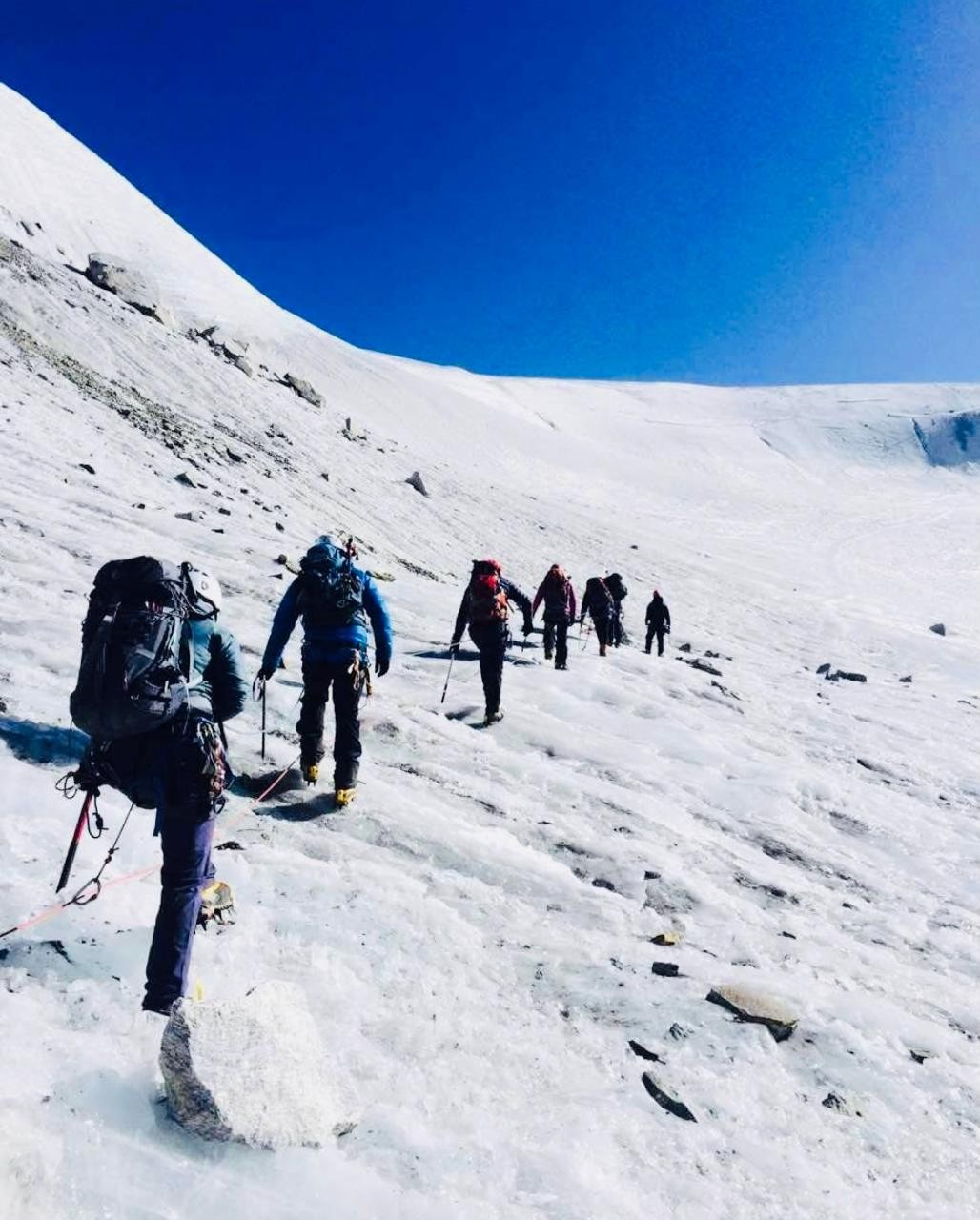 At Bharal Adventure Trek, we recognize that each peak brings its own set of challenges, and our guides are well-equipped to navigate them. For example, Lobuche East presents a more challenging climb due to its steep sections, requiring some technical skills with ropes, ice axes, and crampons, while still being accessible for experienced trekkers. Chulu East, located in the Annapurna region, is known for its glaciated terrain and the need for solid route-finding skills. Each of these peaks demands a balance of physical fitness, technical skills, and acclimatization. We ensure our clients are fully prepared for these challenges, providing training and guidance before the climb and on the mountain itself. Bharal Adventure Trek’s team offers detailed route briefings, acclimatization strategies, and the latest updates on weather and conditions, so that climbers can tackle these popular peaks with confidence, no matter their experience level.
1. Chulu Far East Peak Climbing
Introduction:
Chulu Far East Peak (6,059 meters) is one of the most sought-after trekking peaks in Nepal. Located in the Annapurna region, this peak offers an exciting challenge for climbers with previous trekking or mountaineering experience. The climb is renowned for its scenic beauty, providing climbers with sweeping views of the Annapurna range, Manaslu, and the surrounding valleys.
Major Highlights:
Duration/Height:
Extra Tips:
2. Yala Peak Climbing
Introduction:
Yala Peak (5,520 meters) is a popular choice for those looking to combine an easy trek with a challenging summit in the Langtang region. It is considered a non-technical peak, ideal for first-time climbers who want to experience high-altitude mountaineering in the Himalayas.
Major Highlights:
Duration/Height:
Extra Tips:
3. Pisang Peak Climbing
Introduction:
Pisang Peak (6,091 meters) is one of the most popular peaks for those looking for a technical climb in the Annapurna region. The peak provides a challenging ascent, with a mix of glacier travel and steep sections, but rewards climbers with extraordinary views of the Annapurna range, including Annapurna II, III, IV, and the famous Machapuchare.
Major Highlights:
Duration/Height:
Extra Tips:
4. Tent Peak Climbing
Introduction:
Tent Peak, also known as Tharpu Chuli (5,663 meters), is a lesser-known peak in the Annapurna region. It offers a moderately challenging climb with outstanding views and a less crowded environment compared to other peaks like Island Peak or Mera Peak.
Major Highlights:
Duration/Height:
Extra Tips:
5. Island Peak Climbing
Introduction:
Island Peak (6,189 meters) is one of the most popular trekking peaks in Nepal, located in the Everest region. Known for its accessibility and stunning views, it’s a great choice for climbers looking to experience a Himalayan summit without the technical difficulty of higher peaks.
Major Highlights:
Duration/Height:
Extra Tips:
6. Mera Peak Short Climbing
Introduction:
Mera Peak (6,476 meters) is the highest trekking peak in Nepal and is one of the most popular for climbers looking to experience high-altitude mountaineering. The short 12-day itinerary provides a swift but intense ascent.
Major Highlights:
Duration/Height:
Extra Tips:
7. Mera Peak Climbing
Introduction:
For those seeking a longer, more detailed climb, Mera Peak's 16-day itinerary offers a thorough acclimatization process and a more relaxed ascent. The journey takes you deep into the Everest region, allowing for a more immersive experience.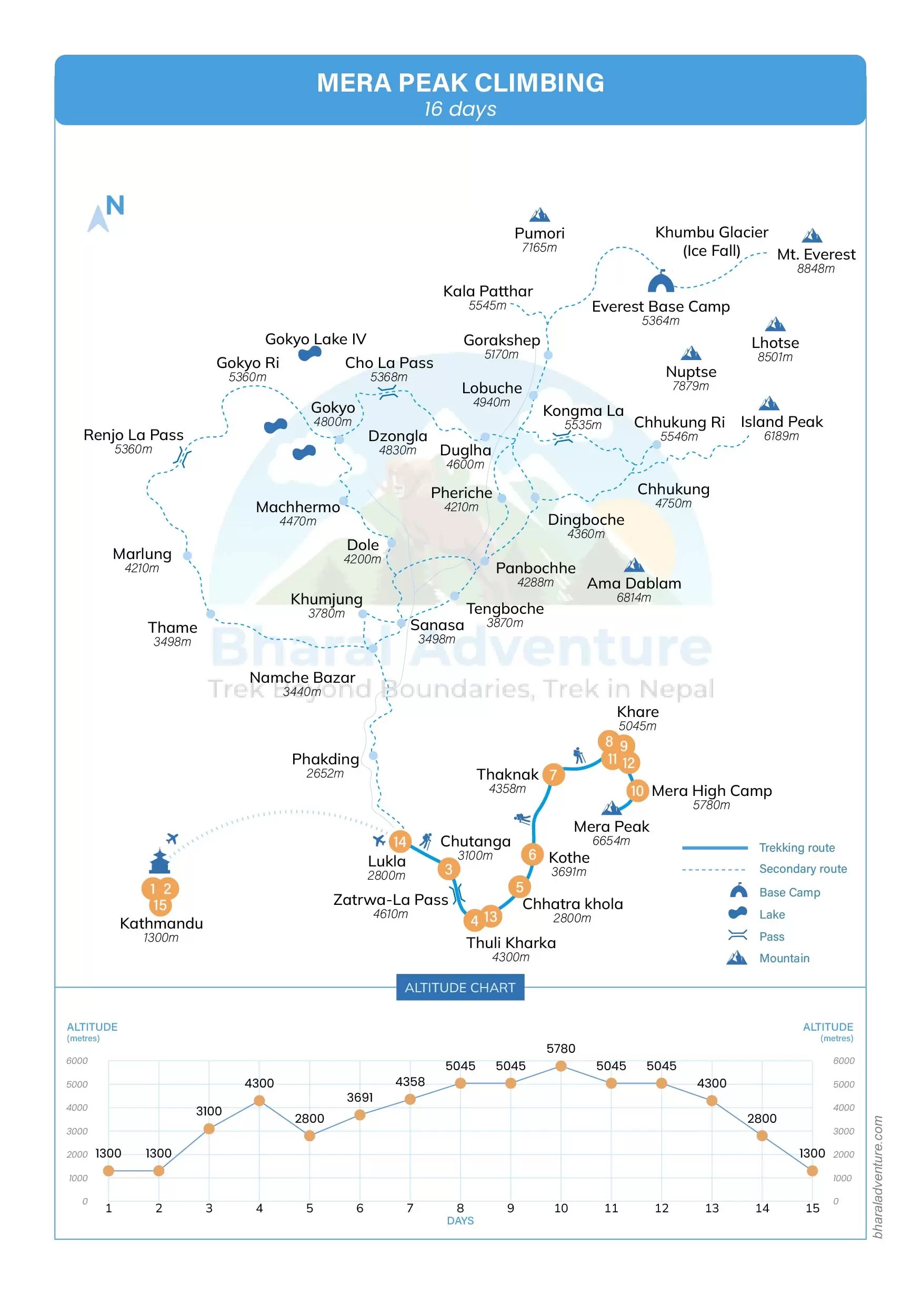 Major Highlights:
Duration/Height:
Extra Tips:
8. Island Peak Climbing with EBC Trek
Introduction:
Combining a trek to Everest Base Camp with Island Peak climbing, this 19-day itinerary is the ultimate Everest region adventure. It offers an unparalleled opportunity to experience both trekking and mountaineering in one unforgettable journey.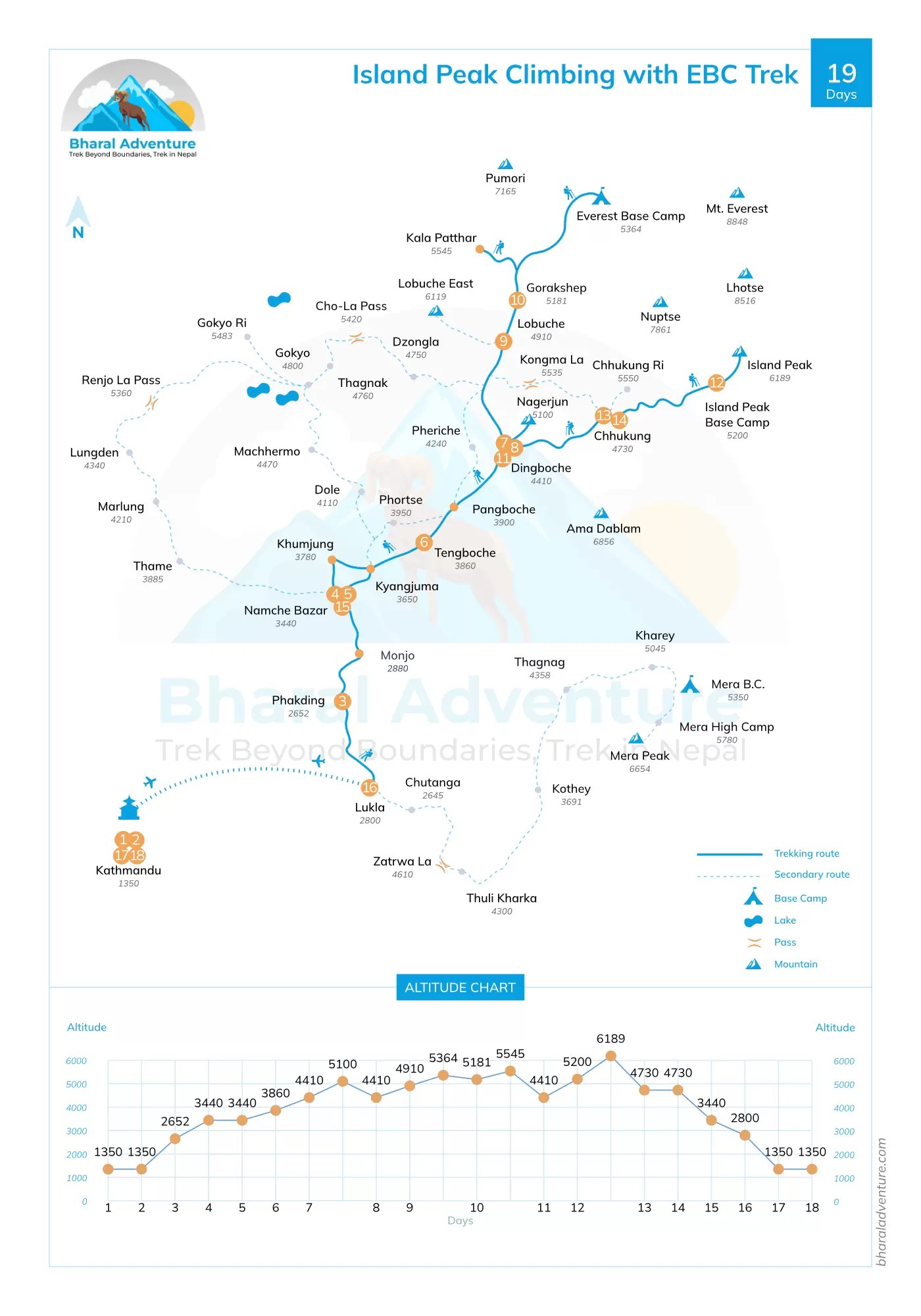 Major Highlights:
Duration/Height:
Extra Tips:
9. Lobuche Peak Climbing
Introduction:
Lobuche Peak (6,119 meters) is a technically demanding peak located in the Everest region. With a more difficult ascent than Island Peak, Lobuche offers climbers a chance to challenge themselves while being rewarded with views of Everest, Lhotse, and Makalu.
Major Highlights:
Duration/Height:
Extra Tips:
At Bharal Adventure Trek, we understand that logistics and support are essential for a successful and safe peak climbing expedition in Nepal. From obtaining climbing permits to ensuring the best climbing equipment and local support teams, we handle all logistical aspects to provide climbers with a seamless experience. Nepal’s rugged terrain, high-altitude environment, and unpredictable weather conditions demand precise planning, and we pride ourselves on our ability to organize everything for our clients. Whether you’re climbing a famous peak like Island Peak or taking on more challenging summits like Lobuche Peak, we ensure that your adventure is well-supported from start to finish.
Climbing Permits and Fees:
Each peak in Nepal requires specific permits to climb. Bharal Adventure Trek takes care of securing all necessary climbing permits, including the Trekking Peak Permit, National Park Entry Permit, and the TIMS (Trekkers’ Information Management System) Card. For popular peaks like Island Peak or Mera Peak, the permit fees vary, and we ensure that all paperwork is completed before your trek begins. We also provide you with accurate, up-to-date information on any other necessary permits and their costs. We assist with every aspect of securing permits, from filing applications to coordinating with local authorities.
Support Teams and Experienced Guides:
Our support teams are integral to the success of any expedition. At Bharal Adventure Trek, we ensure that all clients are accompanied by highly skilled and experienced guides who are not only knowledgeable about the terrain but also trained in mountain safety and first aid. Our Sherpa guides, with their deep knowledge of the Himalayas, will help you navigate the climbs, providing expert advice on acclimatization and route selection. Additionally, our porters carry essential gear and supplies, ensuring you are unburdened during the climb. All our support staff are equipped with the necessary climbing gear, ensuring both safety and comfort throughout the journey.
Equipment and Gear Support:
Bharal Adventure Trek offers rental options for mountaineering equipment such as ice axes, crampons, harnesses, and trekking poles. For climbers who prefer to use their own gear, we provide a thorough gear check before departure, ensuring all items meet the necessary standards. Our equipment rental service is designed to make your journey more convenient, providing high-quality gear suited for the challenging conditions of the Himalayas. We also provide additional safety equipment, such as satellite phones, GPS, and first aid kits, to guarantee that you’re prepared for any situation that may arise on the mountain.
Transportation and Accommodation:
Bharal Adventure Trek organizes all transportation logistics, from airport pickups to the transfer to the trekking starting point. We arrange domestic flights to Lukla for Everest region climbs or to Pokhara for Annapurna climbs. During the trek, we ensure that comfortable, well-placed accommodation is available, whether in teahouses or our own base camps. We also manage food and water logistics, ensuring that climbers have access to nutritious meals that cater to various dietary preferences.
Weather Monitoring and Emergency Support:
Nepal’s weather conditions can be unpredictable, particularly at high altitudes. Bharal Adventure Trek continuously monitors weather forecasts and will advise climbers on the best days to make their summit attempts. In case of an emergency, we have established partnerships with local rescue teams and helicopter evacuation services, ensuring that climbers receive prompt assistance if required. Your safety is our top priority, and we’re prepared to adapt to changing conditions, making logistical adjustments as necessary.
Conclusion:
Logistics and support play a vital role in ensuring the safety, success, and enjoyment of your peak climbing expedition in Nepal. Bharal Adventure Trek offers a comprehensive, seamless experience, managing everything from permits and transportation to accommodation, climbing gear, and emergency support. With our extensive experience in organizing climbs and local expertise, you can trust that your adventure will be well-supported every step of the way. Our goal is to provide a hassle-free and memorable experience for every climber, allowing you to focus on the thrill of reaching new heights.
How Do I Book a Peak Climbing Expedition in Nepal?
Booking a peak climbing expedition in Nepal is a straightforward process with Bharal Adventure Trek. To start, you can either contact us through our website, email, or phone to inquire about your desired peak and expedition dates. Once you have provided the necessary details, including the peak you wish to climb, your preferred dates, and any specific requests, we will send you a tailored itinerary and detailed cost breakdown. After finalizing the details, we will guide you through the process of booking your expedition, including the necessary permits, guide and porter services, and equipment rentals if needed.
It’s important to book your expedition well in advance, particularly for popular peaks, to ensure that permits and guides are available. We will also assist you with securing climbing permits and offer advice on the best seasons to climb, ensuring a seamless booking process. Our team will be there every step of the way, from the initial inquiry to the final climb.
Do I Need to Hire a Climbing Guide and Porter?
Yes, hiring a climbing guide and a porter is highly recommended, especially if you are climbing peaks over 6,000 meters or those that require technical skills. A licensed guide will provide safety, direction, and expertise throughout the climb. They will help navigate the terrain, provide insights into the local culture, and ensure that you follow the best route. Porters are essential for carrying heavy loads, allowing you to focus on the climb itself.
At Bharal Adventure Trek, we provide professional and experienced guides and porters who are well-versed in the local conditions and mountains. Whether you're a beginner or an experienced climber, our guides ensure your safety, while porters lighten your load, ensuring that you can enjoy your expedition.
What Type of Food and Accommodation Is Available During Peak Climbs?
The type of food and accommodation available during peak climbs in Nepal varies depending on the region and altitude. At lower altitudes, you will find basic but comfortable tea houses or guesthouses offering meals such as dal bhat (rice and lentils), momo (dumplings), soups, pasta, and other simple dishes. The food is typically hearty and high in carbohydrates to fuel you during the trek.
As you ascend to higher altitudes, the accommodation becomes more basic. Tea houses may offer dormitory-style rooms or basic single rooms. The food remains nutritious, but variety may decrease as you climb higher. Bharal Adventure Trek ensures that you stay in safe and comfortable accommodations that meet your needs, and we provide balanced meals to maintain your energy throughout the climb.
How Do I Arrange Transportation to the Climbing Regions?
Transportation to the climbing regions is usually arranged by Bharal Adventure Trek. For popular trekking peaks, transportation typically involves a domestic flight from Kathmandu to a regional airport (e.g., Lukla for Everest region, or Phaplu for Mera Peak). Once you arrive at the local airport, we will arrange for jeeps or helicopters to transport you to the starting point of the trek.
We take care of all logistics, including airport transfers, flights, and ground transportation, to ensure that you reach the base camp or trailhead smoothly and comfortably. Our team will provide you with clear instructions on flight times and transfer details, ensuring a hassle-free journey.
What Kind of Emergency Services Are Available During Climbs?
During your climb, Bharal Adventure Trek ensures that emergency services are available in case of unforeseen situations. The most common emergency services include medical evacuations, helicopter rescues, and support from local hospitals. All of our guides are trained in basic first aid and mountaineering safety, and they carry essential first aid kits.
In the case of serious health issues or an emergency, our team will coordinate with helicopter services or the nearest rescue centers to get you the help you need. It’s important to have travel insurance that covers emergency evacuation, medical expenses, and other unforeseen circumstances, to ensure that you’re protected in case of an emergency.
What Happens in Case of Bad Weather During My Climb?
Bad weather can delay or halt a climb, especially in high-altitude regions. If bad weather (e.g., heavy snow, strong winds, or storms) occurs, we prioritize safety. The guide will assess the situation and may suggest waiting until conditions improve, rescheduling parts of the climb, or, if necessary, returning to a lower altitude.
At Bharal Adventure Trek, we closely monitor the weather forecast and prepare for potential changes in conditions. Our experienced guides know how to navigate adverse weather and will make decisions that minimize risk while still providing you with a great experience.
Can I Customize My Peak Climbing Itinerary?
Yes, we offer customized itineraries based on your preferences, fitness level, and time constraints. Whether you want to take a more leisurely approach to the climb or if you wish to include additional trekking or cultural experiences before or after the climb, we can design an itinerary that suits your needs.
Our team at Bharal Adventure Trek will work closely with you to create a plan that includes the right combination of climbing, rest days, acclimatization, and local exploration. Customization is one of the benefits of booking with a local agency, as we can tailor your experience down to the finest details.
Are Helicopter Rescues Available in Nepal’s Mountains?
Yes, helicopter rescues are available in Nepal’s mountains, and they are commonly used for emergency evacuations. In cases of serious altitude sickness or accidents, helicopters can be dispatched to evacuate climbers from high-altitude locations to lower-altitude hospitals. Helicopter rescue services can be expensive, so it’s vital to have proper travel insurance that includes helicopter evacuation coverage.
At Bharal Adventure Trek, we ensure that all our climbers are aware of emergency evacuation protocols and encourage comprehensive insurance coverage for any unforeseen events during the climb.
What Is the Role of Sherpas and Climbing Guides?
Sherpas and climbing guides play an essential role in ensuring the success and safety of your expedition. Sherpas are local mountain experts who have extensive knowledge of the terrain, weather, and altitude conditions. They are invaluable when it comes to carrying heavy loads, setting up camps, and assisting with acclimatization.
Climbing guides are professionals who have the technical skills needed for high-altitude climbing. They will provide leadership, guide you through the climbing route, and ensure that all safety measures are followed. At Bharal Adventure Trek, we employ highly experienced Sherpas and climbing guides to provide you with the best possible support during your expedition.
How Do I Choose the Right Trekking and Climbing Agency?
Choosing the right agency is crucial for a successful and safe climb. Look for agencies that offer transparent pricing, licensed guides, and a good reputation for safety and customer service. Reviews and recommendations from previous climbers are a good indicator of the agency’s reliability.
Bharal Adventure Trek is a trusted agency with years of experience in organizing successful climbing expeditions. We provide tailored itineraries, experienced guides, and excellent customer support, ensuring a memorable and safe experience in Nepal.
What Are the Cultural and Environmental Responsibilities of Climbers?
Climbers are encouraged to respect local cultures and adhere to environmental sustainability practices during their climb. Cultural responsibilities include respecting local customs, dressing modestly, and engaging positively with local communities. Environmental responsibilities involve reducing your impact on nature by avoiding littering, using biodegradable products, and supporting efforts to preserve the mountains.
At Bharal Adventure Trek, we emphasize eco-friendly practices and respect for local traditions. We encourage climbers to adopt responsible climbing habits to help preserve Nepal’s stunning landscapes for future generations.
What Type of Insurance Should I Have for Peak Climbing?
For peak climbing in Nepal, it is essential to have comprehensive travel insurance that covers mountaineering, emergency evacuation, medical treatment, and trip cancellation. Ensure that your insurance provider covers the specific peak you intend to climb and includes high-altitude trekking.
At Bharal Adventure Trek, we recommend purchasing insurance that covers high-altitude climbing and mountaineering. We can provide guidance on choosing the right policy for your needs.
How Do I Deal with Unexpected Altitude Sickness During My Climb?
Altitude sickness is a risk when climbing in high-altitude areas. If you experience symptoms such as headache, dizziness, or nausea, it is important to stop climbing immediately and descend to a lower altitude. Bharal Adventure Trek provides guides trained in altitude sickness prevention and treatment, and we incorporate acclimatization days in the itinerary to minimize risks.
If you start feeling symptoms, inform your guide immediately. The guide will help manage the situation by administering basic first aid or arranging an emergency evacuation if necessary.
What Are Some Tips for a Successful Peak Climbing Experience?
How Can I Make My Peak Climbing Expedition More Sustainable?
To make your expedition more sustainable, minimize your environmental impact by following Leave No Trace principles. Avoid using single-use plastic, carry out your trash, and stick to established trails. Additionally, consider choosing agencies that are committed to eco-friendly practices, like Bharal Adventure Trek, which focuses on sustainable trekking and climbing practices.
We believe in promoting responsible tourism and supporting local communities while minimizing our environmental footprint.
At Bharal Adventure Trek, we take immense pride in offering an unparalleled trekking and peak climbing experience in Nepal. With years of expertise in guiding adventurers through the rugged terrain of the Himalayas, we’ve built a reputation for safety, reliability, and high-quality service. Whether you’re a first-time climber or an experienced mountaineer, our team is dedicated to ensuring that your journey is smooth, enjoyable, and memorable. From organizing permits to providing professional guides and support staff, we cater to all the details, allowing you to focus on the adventure itself.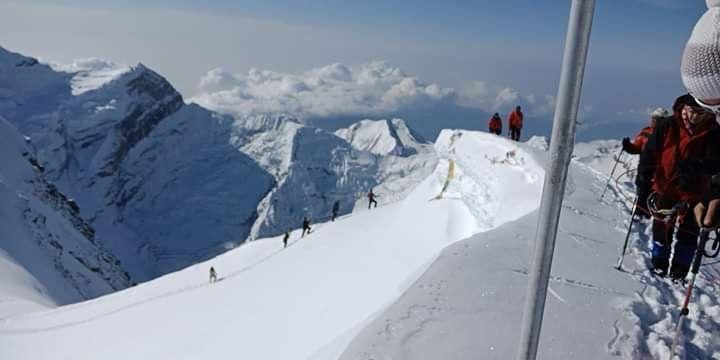 Experienced Guides and Support Teams
One of the most crucial elements for any peak climbing expedition is having the right team to support you. At Bharal Adventure Trek, we employ some of the most experienced and certified Sherpa guides in the industry. These guides are not only skilled mountaineers but also deeply familiar with the culture, weather patterns, and climbing routes of the Himalayas. Our guides undergo rigorous training in high-altitude safety, first aid, and crisis management. Along with experienced guides, we provide professional support staff, including porters and cooks, who ensure your needs are met during the journey. Our team’s commitment to safety and client satisfaction sets us apart as a trusted trekking and climbing operator.
Customized Climbing Expeditions
At Bharal Adventure Trek, we understand that each climber’s needs and expectations are unique. That’s why we offer customized itineraries to suit your pace, skill level, and preferences. Whether you wish to tackle a short peak like Yala Peak or the more challenging Island Peak or Mera Peak, we can tailor your itinerary to provide a perfect balance of adventure, relaxation, and acclimatization. Our flexibility and personalized approach ensure that every climber receives the best possible experience on the mountain.
Comprehensive Support and Logistics
We offer an all-inclusive service that handles all logistical aspects of your peak climbing expedition. From securing climbing permits to organizing transportation, arranging accommodation, and providing high-quality rental gear, we ensure that everything is taken care of. Bharal Adventure Trek’s climbing permits and fees are transparent and explained upfront, so you can plan your budget with ease. We also ensure you have the most up-to-date weather information and emergency evacuation plans in place. Our commitment to thorough preparation means you can climb with confidence, knowing you’re in capable hands.
Safety First
Safety is our top priority. We go to great lengths to ensure that all of our expeditions meet the highest safety standards. Our guides are trained in mountain rescue techniques, and we closely monitor weather conditions to make sure we choose the best time for summit attempts. Additionally, we provide all climbers with a comprehensive briefing before the climb, covering important safety protocols, equipment usage, and what to expect at high altitudes. In the event of an emergency, we have well-established protocols and connections with local rescue services, including helicopter evacuation options.
Choosing Bharal Adventure Trek for your peak climbing expedition in Nepal ensures that you’re partnering with a trusted company that values professionalism, safety, and customer satisfaction. Our expert team, personalized itineraries, comprehensive logistical support, and unwavering commitment to safety make us the best choice for mountaineers looking to take on Nepal's towering peaks. We are passionate about providing a hassle-free experience and helping you achieve your climbing goals, whether you’re looking to summit Mera Peak, Island Peak, or other stunning trekking peaks in the Himalayas. With Bharal Adventure Trek, you can rest assured that every aspect of your adventure will be well-managed, allowing you to focus on what truly matters—the thrill of the climb and the beauty of the mountains. Let us guide you on an unforgettable journey to the top of the world!

One of the most renowned trekking peaks in the Everest region is Island Peak Everest base camp Trek. The Western Side of Island Peak, which rises from...

When it comes to peak climbing, Nepal stands as the ultimate playground for adventure seekers. Nestled in the heart of the majestic Himalayas, Nepal o...

Mera Peak, towering at 6,476 meters in the Nepalese Himalayas, beckons adventurers with its non-technical yet demanding ascent, offering a thrilling j...
